
Tooth pain has a way of interrupting every part of daily life. A persistent ache can make eating uncomfortable, disrupt sleep, and create anxiety about what might happen next. Many people delay treatment because they fear hearing the words “root canal.” Unfortunately, postponing care often allows the infection to worsen, leading to more discomfort and potential tooth loss.
Modern dentistry has changed the way root canal therapy is performed. Today’s procedures are designed to be efficient, comfortable, and highly effective at preserving natural teeth. Instead of being something to fear, root canal treatment is often the fastest path to relief for patients dealing with severe tooth pain or infection.
At Vivid Smiles, patients receive compassionate dental care focused on comfort, education, and long-term oral health. Root canal therapy is one of the most effective procedures available for saving damaged teeth while eliminating pain caused by deep infection. With advanced technology and modern anesthetics, the process is far more comfortable than many people expect.
This guide explains what root canal therapy is, why it becomes necessary, how the procedure works, and what patients can expect during recovery. You’ll also learn how prompt treatment can help protect your smile and prevent more serious dental complications in the future.
Table of Contents
- Understanding Why Root Canals Are Needed
- What Happens During a Root Canal Procedure
- Benefits of Saving Your Natural Tooth
- Recovery and Aftercare Tips
- Frequently Asked Questions
Understanding Why Root Canals Are Needed
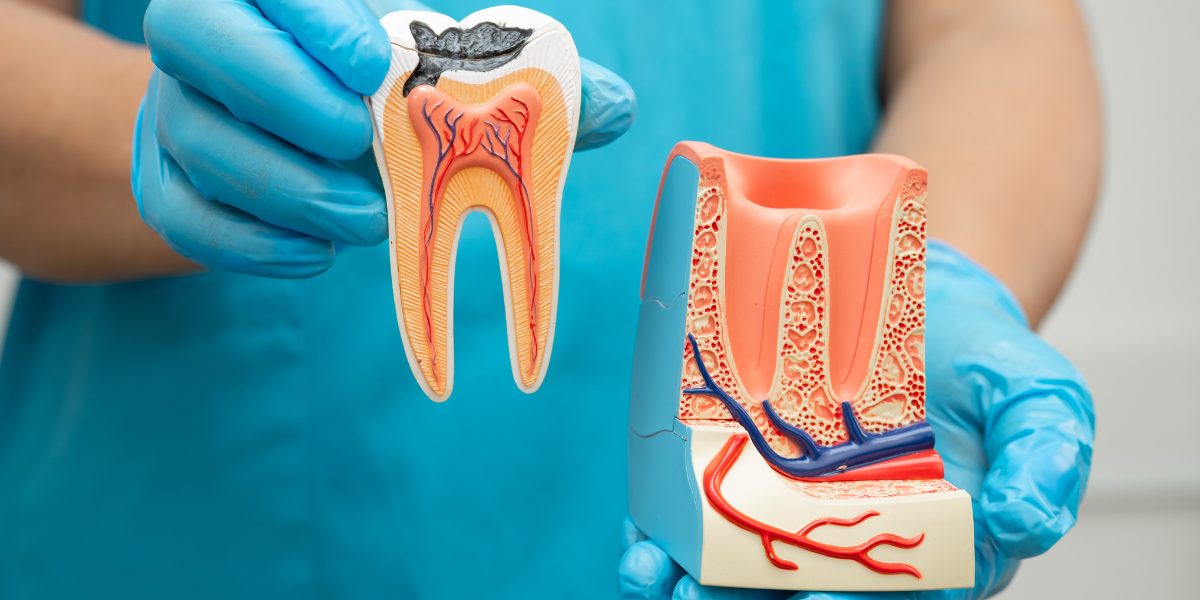
A root canal becomes necessary when the soft tissue inside a tooth, called the pulp, becomes inflamed or infected. The pulp contains nerves and blood vessels that help the tooth develop, but once a tooth is fully mature, it can survive without the pulp because surrounding tissues continue to nourish it. Infection usually develops because of deep decay, repeated dental procedures, cracks, or trauma to the tooth.
One of the most common signs that a root canal may be needed is persistent tooth pain. Some patients experience sharp pain while chewing, while others notice lingering sensitivity to hot or cold foods and drinks. Swelling around the gums, discoloration of the tooth, or a small bump on the gum tissue may also indicate infection. In some cases, patients experience no symptoms at all until the infection becomes severe.
When bacteria reach the inner portion of the tooth, the infection can spread beyond the roots and into surrounding bone tissue. Left untreated, this may lead to abscesses, increased pain, and even tooth loss. According to the American Association of Endodontists, root canal treatment is highly successful and allows millions of teeth to be saved every year.
Many people mistakenly believe that extracting the tooth is easier than having a root canal. While extraction may initially seem simpler, replacing a missing tooth often requires more extensive procedures such as bridges, dentures, or dental implants. Preserving the natural tooth is usually the healthiest and most cost-effective long-term solution.
Modern imaging and diagnostic tools allow dentists to identify infection early and create highly precise treatment plans. Digital X-rays provide detailed views of the tooth roots and surrounding structures, helping dentists determine the extent of the damage and recommend the most effective course of action.
Fear and misinformation continue to cause unnecessary anxiety about root canals. In reality, the discomfort patients feel before treatment is usually far worse than the procedure itself. Root canal therapy is intended to remove infection and relieve pain—not create it.
The sooner a patient seeks care, the more likely the tooth can be saved successfully. Early intervention prevents infection from spreading and helps maintain the strength and function of the natural smile.
What Happens During a Root Canal Procedure
Understanding the root canal process can help patients feel more confident and comfortable before treatment. Root canal therapy typically begins with a thorough examination and digital imaging to assess the condition of the tooth and surrounding tissues. Once the dentist confirms infection or inflammation inside the pulp, treatment can begin.
The first step involves numbing the area using local anesthesia. Modern anesthetics make the procedure feel very similar to receiving a routine dental filling. Patients are usually surprised by how little discomfort they experience during treatment. A protective dental dam is then placed around the tooth to keep the area clean and dry throughout the procedure.
Next, the dentist creates a small opening in the top of the tooth to access the infected pulp. Specialized instruments are used to carefully remove damaged tissue and clean the inside of the root canals. This step eliminates bacteria and prevents the infection from spreading further.
After the canals are cleaned and disinfected, they are shaped and filled with a durable material called gutta-percha. This material seals the canals and helps protect the tooth from future infection. In many cases, the tooth is then restored with a dental crown for additional strength and protection.
Modern root canal treatment is highly advanced and minimally invasive. Many dental practices now use digital imaging, rotary instruments, and advanced sterilization techniques to improve precision and patient comfort.
Patients may experience mild soreness for a few days after treatment, but this is typically manageable with over-the-counter pain medication. Most individuals return to normal activities quickly and notice immediate relief from the intense pain caused by infection.
Root canal therapy is often completed in one or two appointments, depending on the complexity of the tooth and the severity of the infection. Molars with multiple roots may require additional time, while simpler cases can often be treated efficiently in a single visit.
The goal of treatment is always to preserve as much healthy tooth structure as possible while eliminating infection and restoring normal function. By saving the natural tooth, patients maintain better chewing ability, jaw alignment, and overall oral health.
Benefits of Saving Your Natural Tooth
Saving a natural tooth whenever possible offers several long-term advantages for oral health. Root canal therapy allows patients to keep their original tooth structure while eliminating infection and discomfort. Preserving the natural tooth also helps maintain proper bite alignment and prevents nearby teeth from shifting out of place.
One major benefit of root canal treatment is maintaining normal chewing function. Natural teeth are stronger and more efficient than artificial replacements, making everyday eating more comfortable and effective. Patients who save their teeth often experience better long-term oral stability.
Another important advantage is appearance. A properly restored tooth can look completely natural after treatment. Dental crowns are custom-made to match the surrounding teeth in shape, size, and color, allowing patients to smile confidently without visible signs of treatment.
Root canals are also more cost-effective over time compared to extraction and replacement options. Removing a tooth may require additional restorative procedures such as implants or bridges, which often involve multiple appointments and higher expenses. Saving the natural tooth reduces the need for these future treatments.
The Centers for Disease Control and Prevention emphasizes the importance of preventive and restorative dental care for maintaining overall health. Oral infections that are left untreated may contribute to broader health concerns if bacteria spread throughout the body.
Many patients appreciate the psychological benefit of preserving their natural smile. Losing a tooth can impact self-confidence and comfort in social situations. Root canal therapy helps patients retain the familiarity and functionality of their own teeth while restoring comfort and health.
Dentists prioritize conservative treatment whenever possible because preserving natural tooth structure supports better long-term outcomes. Even though dental implants are excellent restorative solutions, keeping a healthy natural tooth is generally considered the ideal option when feasible.
Patients who receive timely treatment often avoid more complex complications later. Early intervention minimizes bone loss, prevents infection from worsening, and helps maintain overall dental stability.
Vivid Smiles focuses on patient-centered care designed to protect oral health while maximizing comfort. Every treatment plan is tailored to the patient’s individual needs, ensuring personalized solutions that support both function and aesthetics.
Recovery and Aftercare Tips
Recovery after a root canal is usually straightforward and manageable. Most patients return to normal routines within a day, although mild tenderness or sensitivity may persist temporarily. Following aftercare instructions carefully helps ensure successful healing and long-lasting results.
Immediately after treatment, patients should avoid chewing on the treated tooth until any temporary restoration is replaced with a permanent crown or filling. This helps protect the tooth from fractures during the healing process. Soft foods are generally recommended for the first day or two.
Maintaining excellent oral hygiene is essential during recovery. Patients should continue brushing twice daily, flossing regularly, and attending routine dental checkups. Good hygiene prevents future infections and helps extend the lifespan of the treated tooth.
It is important to complete any prescribed medications exactly as directed. Antibiotics may be recommended in certain cases to control infection, while anti-inflammatory medications can help reduce temporary soreness.
Some patients worry that a root canal-treated tooth will become weak. In reality, placing a properly fitted dental crown significantly strengthens the tooth and restores normal function. With proper care, a treated tooth can last for many years or even a lifetime.
Patients should contact their dentist if they experience severe pain, swelling, or prolonged discomfort after treatment. Although complications are uncommon, prompt follow-up care ensures any concerns are addressed quickly.
Routine dental visits remain important even after successful root canal therapy. Regular exams allow dentists to monitor the health of the treated tooth and identify any new issues early, before they become serious problems.
Vivid Smiles is committed to creating a positive dental experience focused on patient comfort and education. From diagnosis through recovery, the dental team works closely with patients to ensure they feel informed, supported, and confident throughout every stage of treatment.
Frequently Asked Questions About Root Canal Treatment
Does a root canal hurt?
Modern root canal therapy is typically no more uncomfortable than getting a dental filling. Local anesthesia keeps the area numb during treatment, and most patients experience significant pain relief after the infected tissue is removed.
How long does a root canal take?
Most root canal procedures can be completed in one or two visits, depending on the complexity of the tooth. Molars with multiple roots may require additional treatment time compared to front teeth.
Can a root canal save my tooth permanently?
Yes. With proper restoration and good oral hygiene, a root canal-treated tooth can last for decades or even a lifetime. Dental crowns help protect and strengthen the treated tooth.
What happens if I avoid a root canal?
Delaying treatment allows infection to spread deeper into the tooth and surrounding tissues. This can lead to severe pain, abscess formation, bone loss, and eventual tooth extraction.
Is extraction better than a root canal?
In most cases, preserving the natural tooth is the preferred option. Root canal therapy maintains normal chewing function, prevents shifting teeth, and avoids the need for more extensive replacement procedures.
Conclusion
Root canal therapy plays an important role in saving teeth that would otherwise be lost to severe decay or infection. Although many patients feel nervous about the procedure, modern dental technology has made treatment far more comfortable, effective, and predictable than ever before. By removing infection and preserving the natural tooth, root canals provide long-term relief while supporting overall oral health.
Seeking prompt treatment for tooth pain or sensitivity can prevent complications and help maintain a healthier smile. Vivid Smiles is dedicated to providing compassionate care with a strong focus on patient comfort, education, and personalized treatment solutions. Patients can feel confident knowing their oral health is being cared for with precision and expertise.
Tooth pain should never be ignored. If you are experiencing persistent sensitivity, swelling, or discomfort, root canal therapy may be the solution needed to relieve pain and save your natural tooth. Early treatment can prevent more serious complications and help restore your comfort quickly.
At Vivid Smiles, patients receive high-quality dental care in a welcoming and supportive environment. The team takes time to explain every step of the process, answer questions, and ensure patients feel comfortable throughout treatment.
Call Vivid Smiles today to schedule an appointment and learn more about how root canal therapy can protect your smile and restore your oral health.
